The Mark of a Man is Self-Sacrifice
This short is a proof of concept for a feature film. Explore the vision and story below.
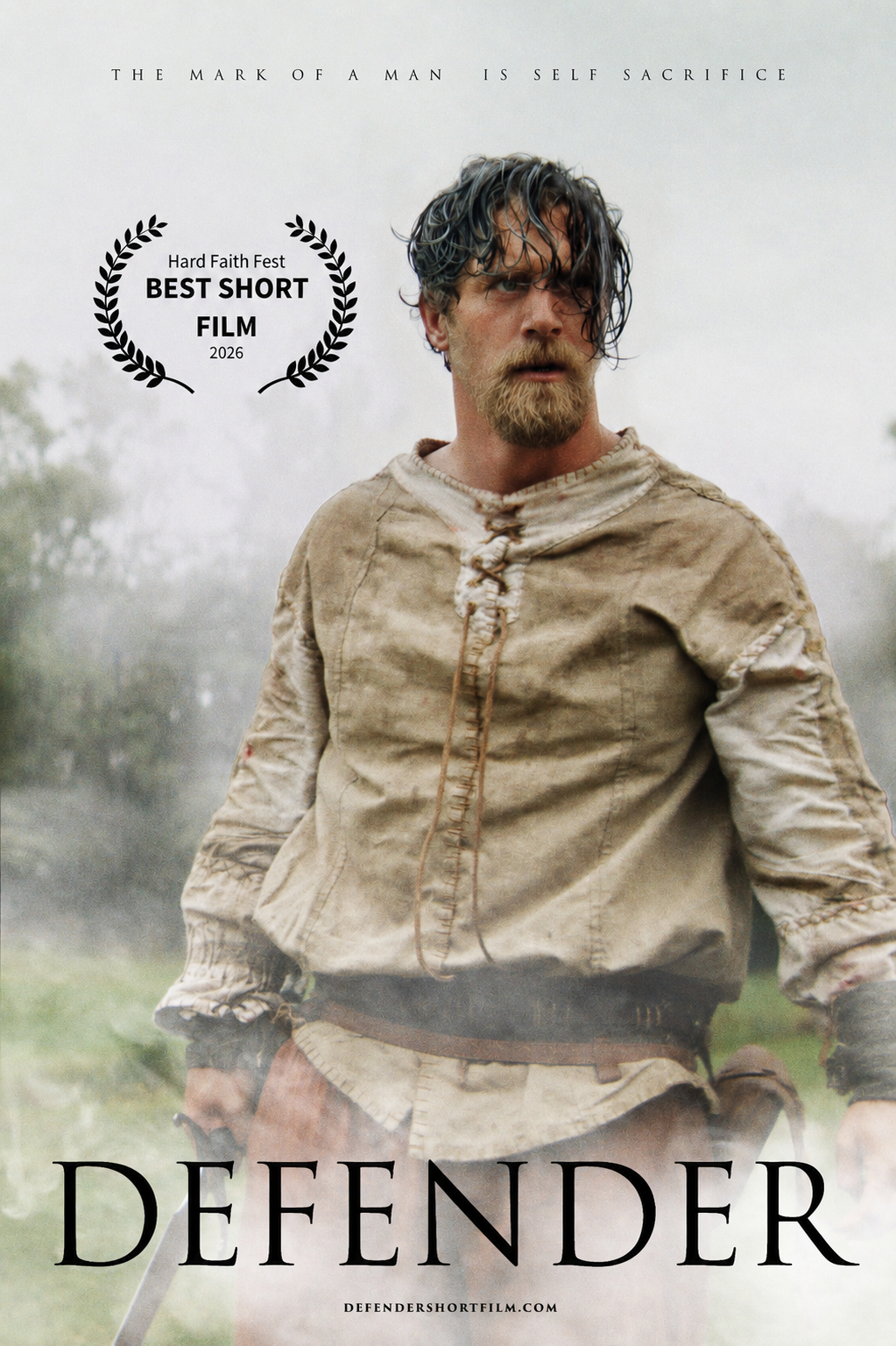
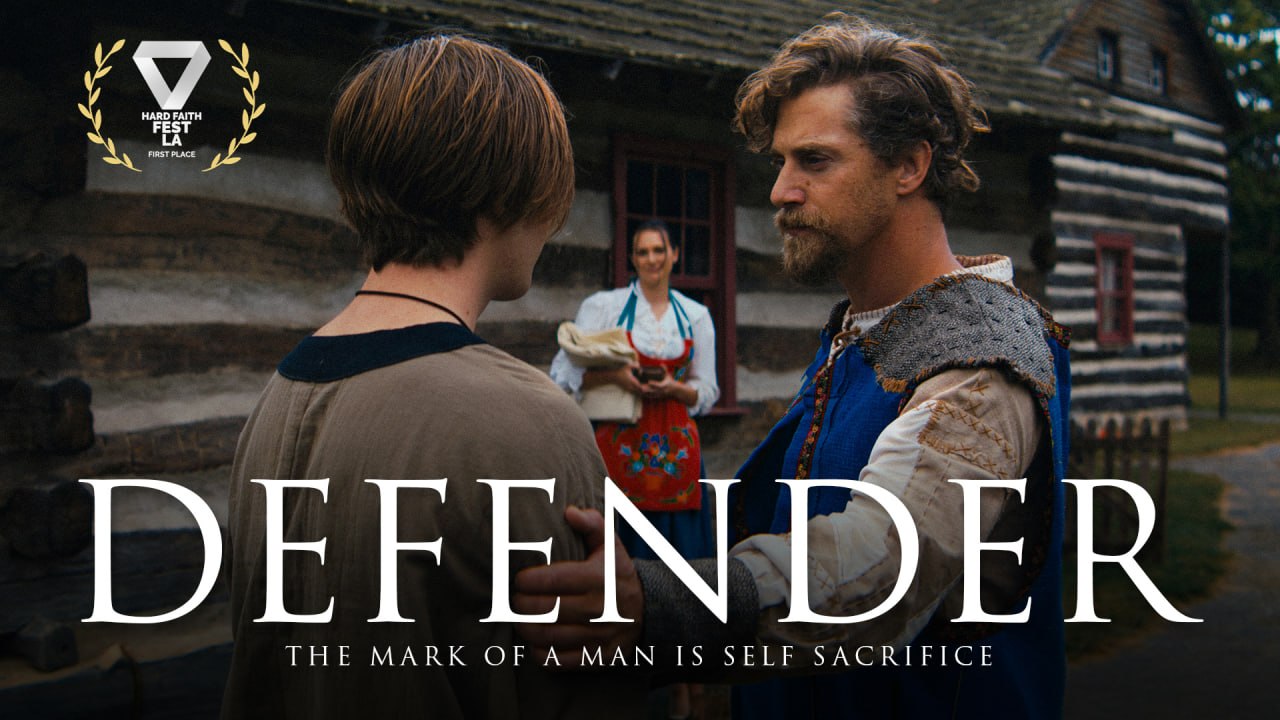
In a small village, Henrik Olinger, a faithful father and husband continually trains himself to protect what is good and beautiful. As he tries to convince his village of an imminent barbarian attack, he is mocked and rejected. Henrik is thrown into a bloody assault forced to defend all he loves alone.
“The world has fallen under the ruination of transgression, but it is entrusted to us to fight against its decay.”
— Henrik
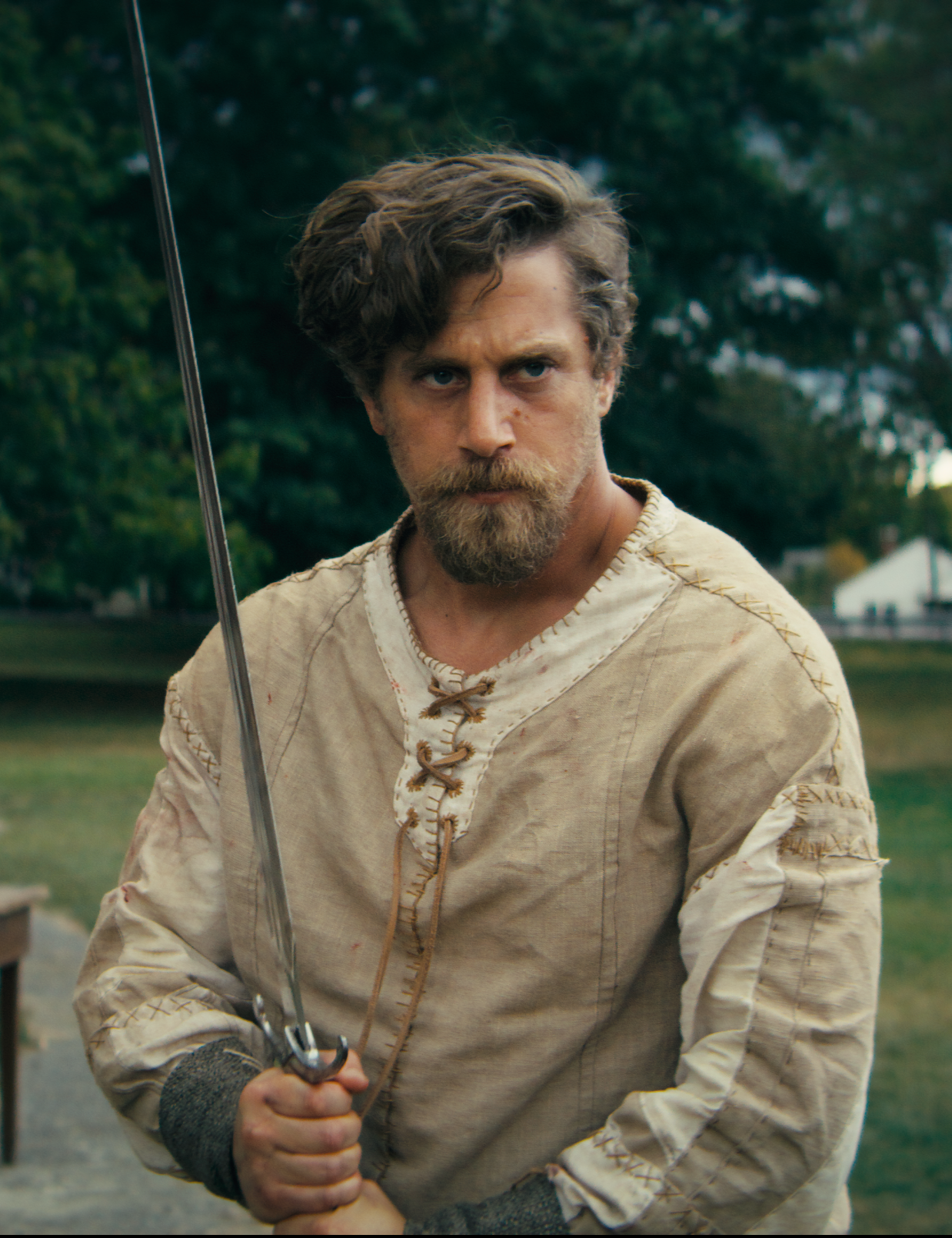
No magic. No mythical creatures. No grand prophecies. Just men with swords, living in a world that could be our past. The costumes, weapons, and settings are authentic. The violence is brutal and consequential. Blood stains. Wounds hurt. Death is permanent.
Visual Reference: The Revenant meets Fellowship of the RingNo ironic distance, no winking at the camera, no undercutting the heroism with jokes. When Henrik talks about defending beauty and goodness, he means it. This is a film about values that contemporary culture has lost or mocked into irrelevance.
Tonal Reference: GladiatorGolden hour magic during training sequences and the final battle. Firelight interiors that feel warm and lived-in. Harsh midday sun during the village attack. The light tells the emotional story hope at dawn, chaos at noon, redemption at sunset.
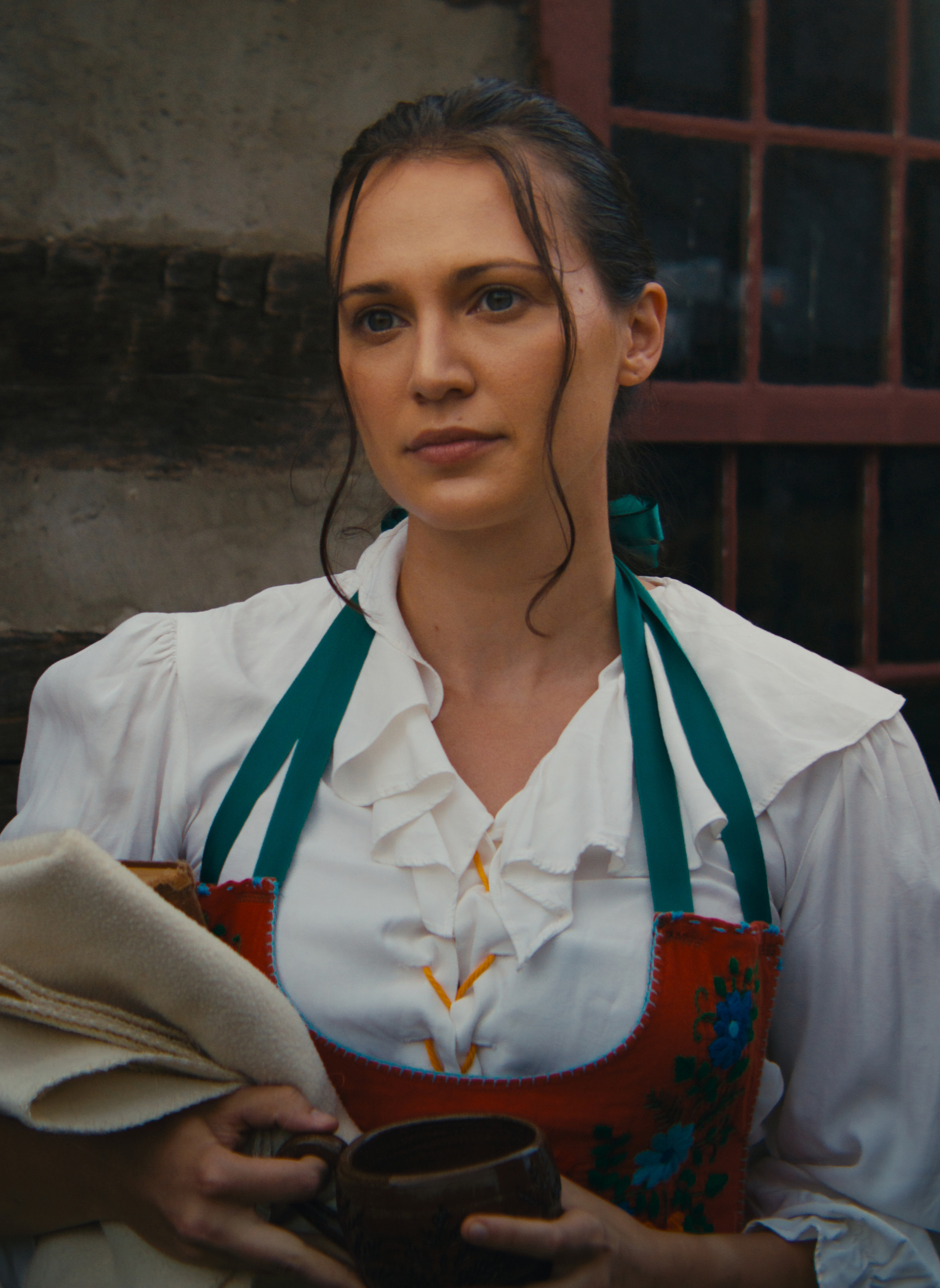
The costumes will be bright colors like bright blue, red, yellow inspired by a mix of German and Ukrainian culture. They will stand out against the dark world of looming danger. Beauty must be protected.
“It is better to be a warrior in a garden than a gardener in a war.”
— Henrik to Benjamin
A humble farmer in his 30s who lives by a code the world has forgotten: that true strength is found in service, not dominance. Gentle with his family, fierce when evil threatens what he loves.
Henrik's wife and the emotional anchor of the family. Loving and thoughtful, she represents the tension between hope and fear supporting Henrik's values and leadership while fearing what it may cost.
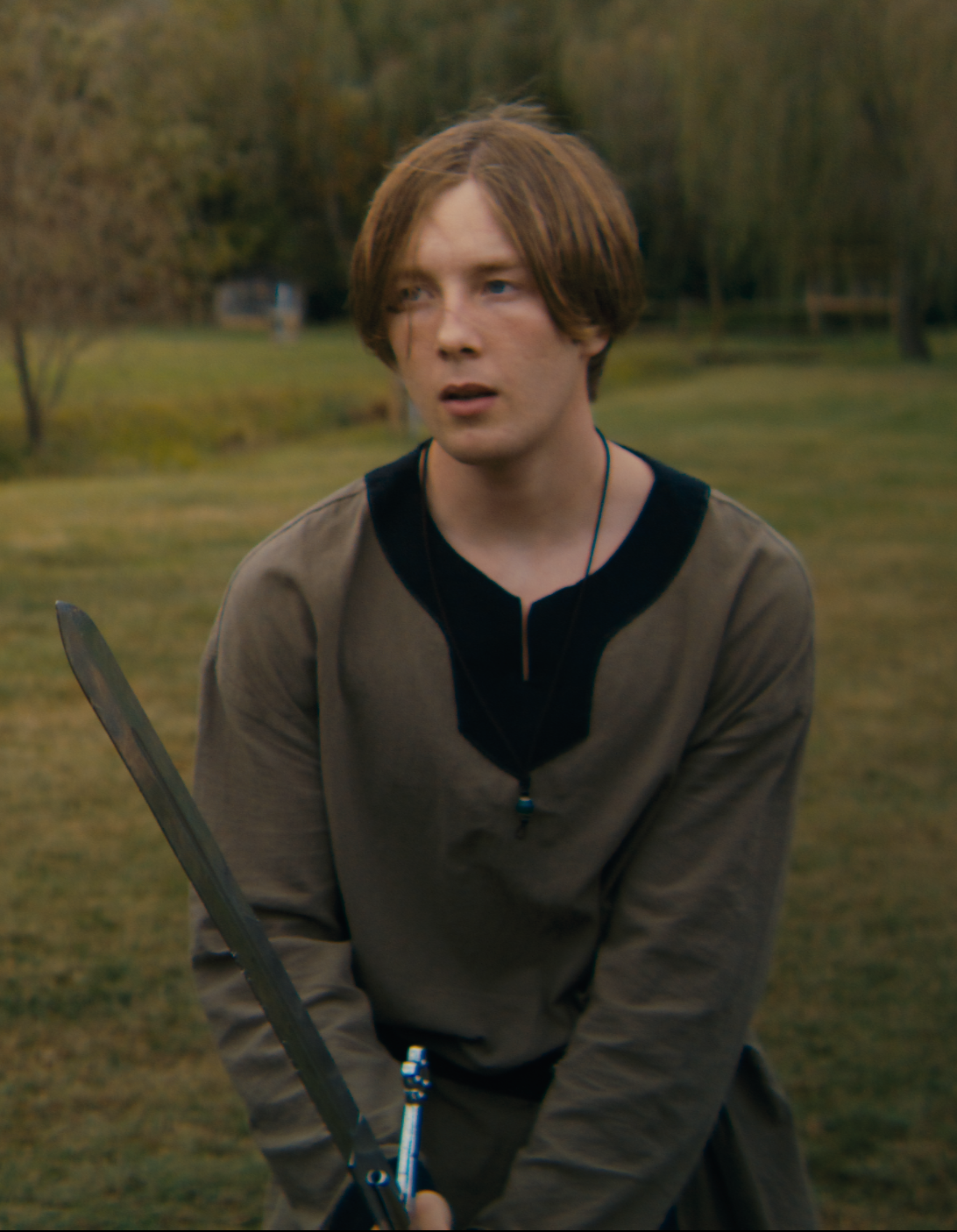
A 14-year-old caught between boyhood and manhood. He has trained under his father's watchful eye, but does not truly understand why until violence arrives and he must choose to stand.
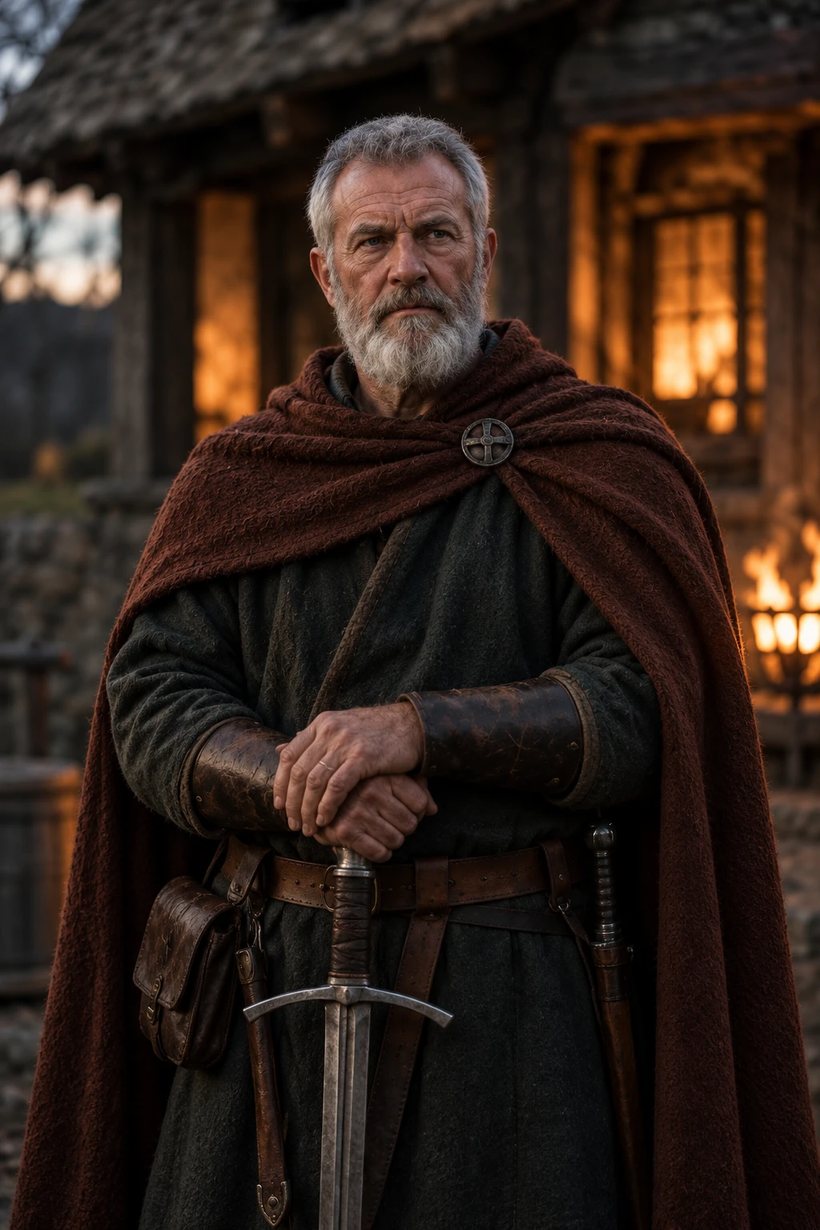
A retired knight, gray-bearded and hollow-eyed, drowning regrets in ale. Working alongside Henrik cracks his armor. His redemption comes in choosing to die with honor rather than waste away in bitterness.
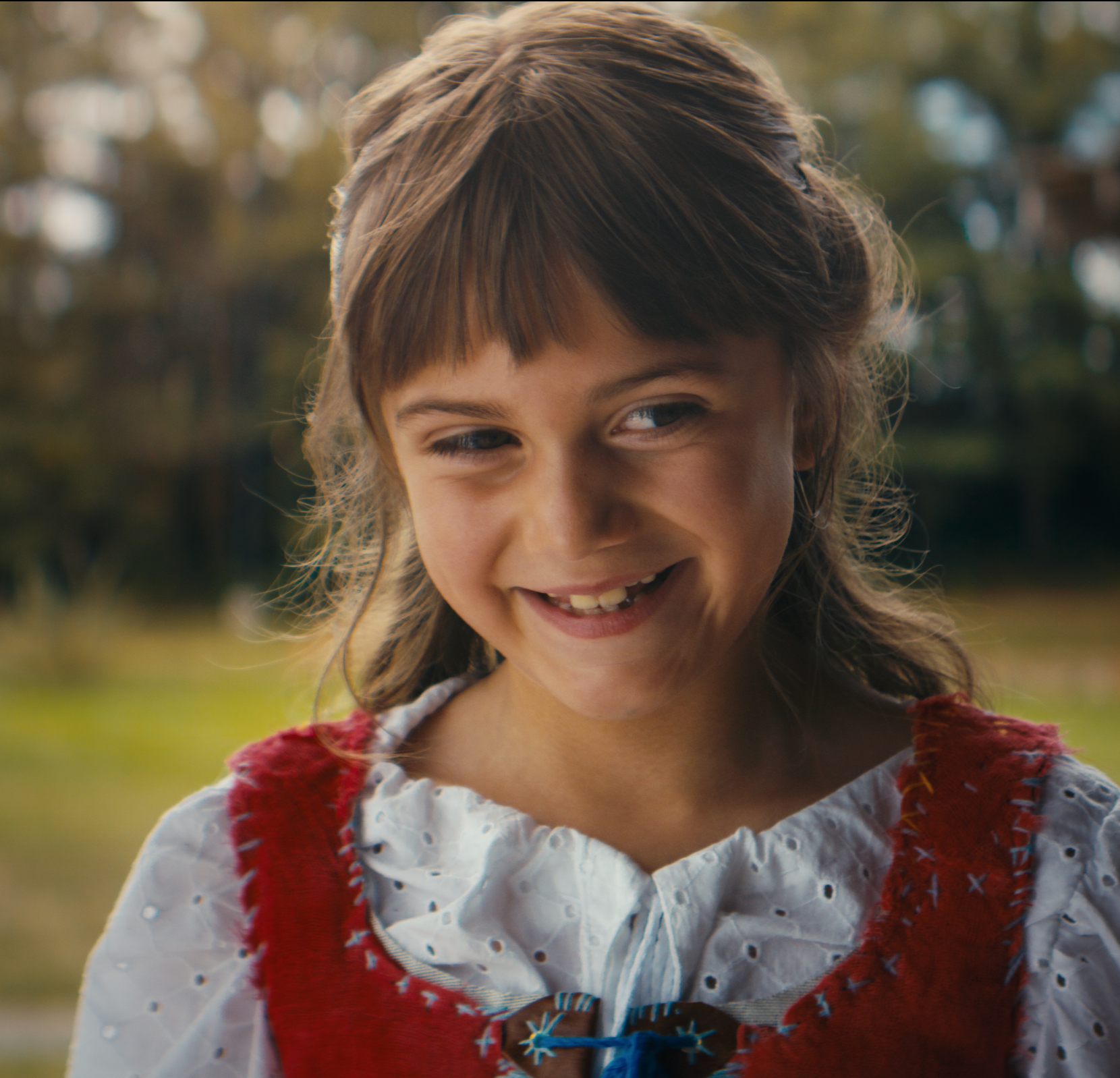
Henrik's young daughter, maybe 8 years old. Innocent, trusting, full of light. She paints rocks and tells stories. She represents why Henrik fights so she can remain a child.
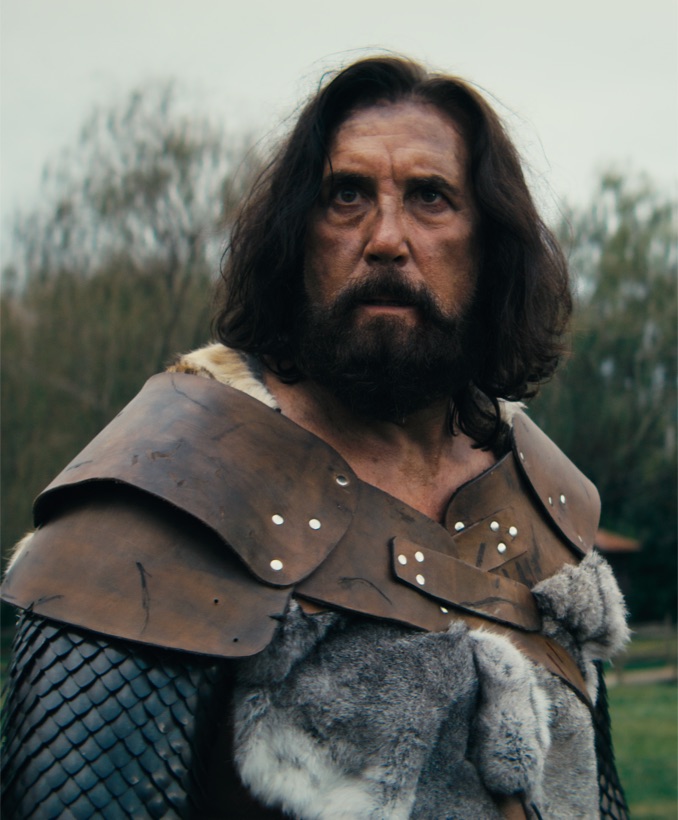
The barbarian chieftain. Massive, scarred, and vicious. He is a force of chaos and selfishness the embodiment of evil that cannot be reasoned with, only defeated.
“This is why we teach them, train them, love them…so that even without us, they have a future.”
— Henrik to Anneliese
Henrik embodies what men are called to be not weak, not comic relief, not the incompetent father figure. He is strong in service of others, gentle with his family, and fierce when evil threatens what he loves. He leads through sacrifice, not dominance.
Every sword drill, every early morning, every preparation Henrik makes is an act of love. He does not train because he is paranoid. He trains because he loves his family too much to leave their safety to chance. Vigilance is not obsession. It is love made visible.
The villagers have forgotten that peace must be defended. Henrik represents the voice calling them to remember. When violence comes, those who prepared survive, and those who mocked them perish not because the prepared are smarter, but because they loved what they had enough to protect it.
At its core, Defender is about the necessity of standing against evil. The film rejects the modern lie that goodness is passive, that strength and virtue are opposites. Henrik is the gentlest man in the village and the most dangerous. Because gentleness without strength is just waiting to be prey.
The boy learning what manhood requires. Tempted by shortcuts, by comfort, by the desire to avoid hard things. His journey is discovering that manhood is about standing between evil and those you love even when it costs you everything.
The man in full. Prepared, disciplined, selfless, and strong. His challenge is not physical it is leadership. He must inspire others to act, sacrifice his own safety, and carry the weight of being right when everyone else is wrong.
The man who thought his duty was finished. His arc is realizing that manhood does not retire. A man fights until his last breath. His redemption is choosing an honorable death over a wasted life.
“His courage has not yet been tested…but I do not doubt it.”
— Henrik to Klaus
There has been a drought of good storytelling.
Contemporary cinema has largely abandoned authentic portrayals of virtue, duty, sacrifice, and fatherhood. Male protagonists are either ironic anti-heroes, emotionally stunted man-children, or villains in disguise. Fathers are depicted as incompetent, bumbling, out-of-touch. Films about good men doing hard things for selfless reasons are rare.
Defender offers something increasingly rare: a story grounded in goodness, truth, and beauty. Not ironic. Not cynical. Just honest about what it costs to defend what you love.
This is a story about what men are called to be: selfless servants who lead through sacrifice, not dominance. A father who loves his family enough to die for them. A boy who learns that manhood is earned through sacrifice, not granted by age. An old man who redeems a wasted life with one final stand.
These are themes that audiences especially men are starving for. Because they want stories that reflect the challenges they face:
How do I protect my family?
How do I raise my son to be strong and good?
How do I live with purpose when the world tells me none of this matters?
The short film DEFENDER was made for $12,000 with a small but dedicated cast and crew. It delivers authentic period production design, grounded performances, and practical action choreography. It exists as proof that story matters more than budget.
This film is being built by people who believe that goodness is worth defending on screen and off. If this story resonates with you, consider supporting the feature film.
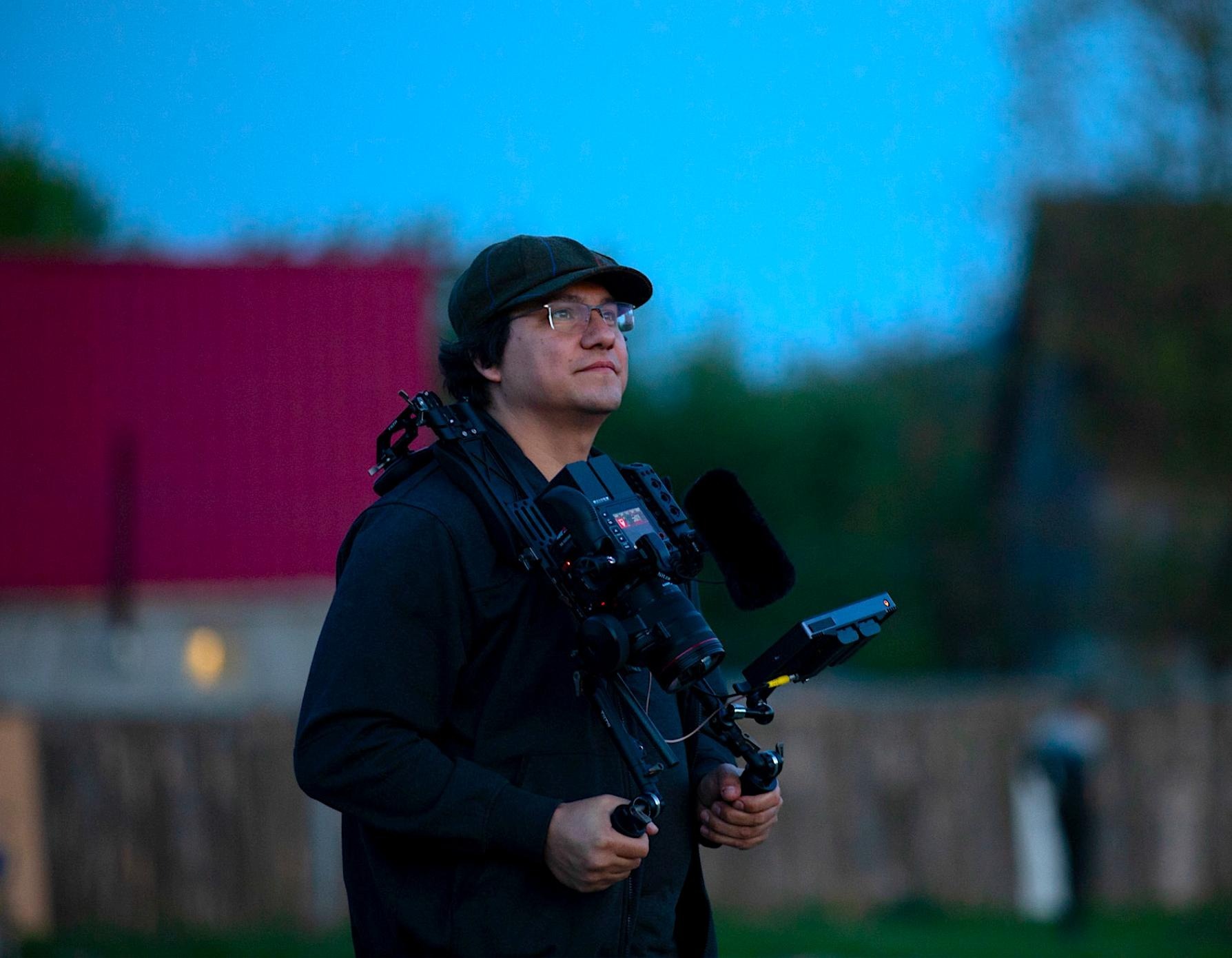
Support on GiveSendGoLike most filmmakers, Chris started telling stories and creating films as a child in the mid-90s. In 2013, after working as a freelance video producer and drummer for over a decade, Chris and his wife started their own production company, Staring At Fire. Now, with a full-time job creating documentaries from all over the world and raising three beautiful daughters, Chris’ passion and love for good art helps him to continue creating the stories in his heart.